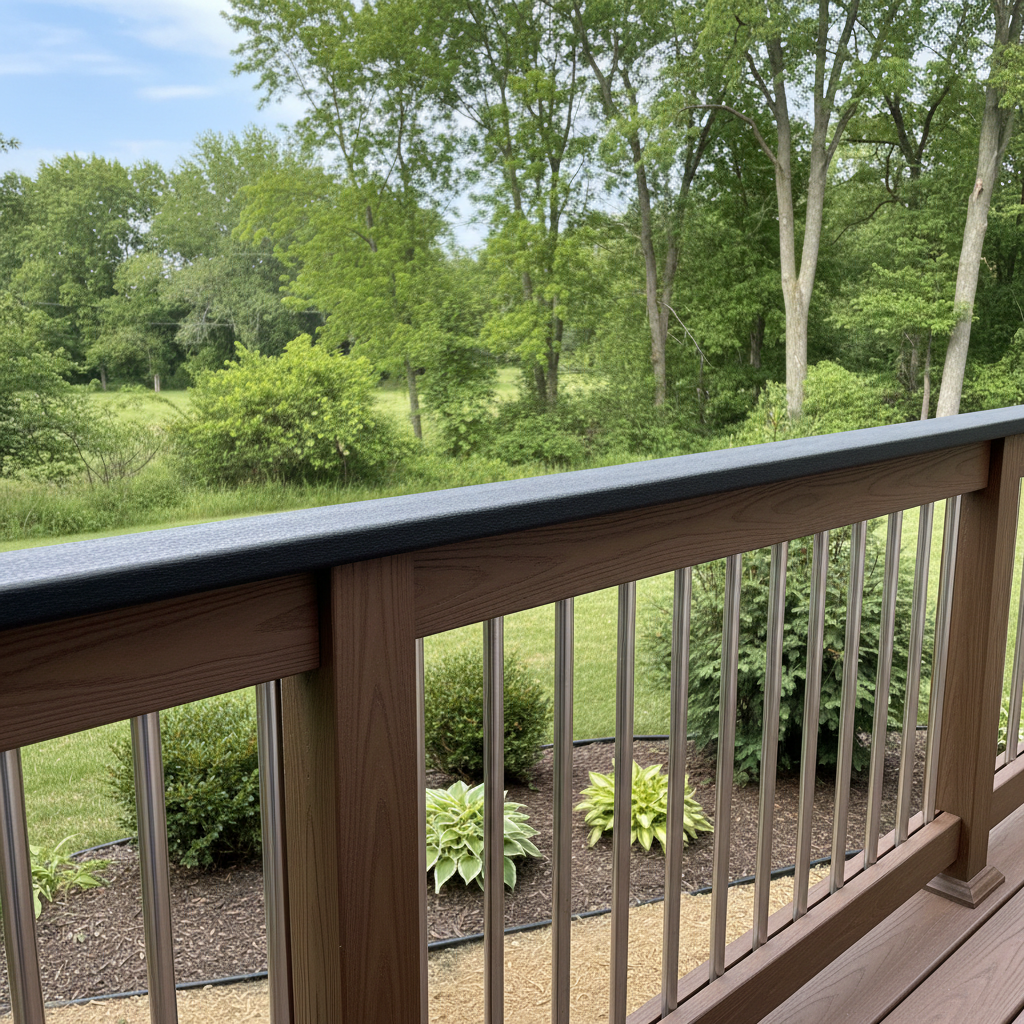
Alright, let's talk deck railings. I get a lot of questions about these, and for good reason. They're not just for looks, you know; they're a critical safety feature. Plus, they can really change the whole vibe of your outdoor space. So, I’ve put together some of the most common questions I hear from folks right here in Elizabeth, IN, and I’m going to give you the honest answers.
What are the basic code requirements for deck railings in Elizabeth?
This is probably the most important question you can ask. Here in Elizabeth, and really anywhere, safety codes are non-negotiable. Generally, your railing needs to be at least 36 inches high for residential decks. If your deck is more than 30 inches off the ground, you need a railing. The balusters – those vertical posts – can't have gaps wider than 4 inches. That's to stop a child's head from getting stuck, or a pet from slipping through. Also, the railing needs to be able to withstand a certain amount of force, usually 200 pounds of pressure applied in any direction. Don't skimp on this. I've seen some DIY jobs that look okay but wouldn't pass muster if a building inspector came calling. Elite Deck Solutions always builds to code, no exceptions.
What are my material options for deck railings?
You've got a few solid choices, each with its own pros and cons. We work with all of them, so it really comes down to your budget, your aesthetic, and how much maintenance you're willing to do.
- Wood: Classic, affordable, and you can stain or paint it to match anything. The downside? It needs regular maintenance – staining, sealing, checking for rot. With our humid summers and cold winters here in Southern Indiana, wood can really take a beating if it's not cared for.
- Composite: This is a mix of wood fibers and plastic. It's super low-maintenance, won't rot or splinter, and comes in a ton of colors. It's usually more expensive upfront than wood, but you save on maintenance over time.
- Aluminum: Sleek, durable, and practically maintenance-free. It's lightweight but strong. Great for modern looks, and it won't rust. It's a mid-to-high price point.
- Vinyl/PVC: Also low-maintenance, won't rot, and comes in various styles. It can sometimes look a bit more