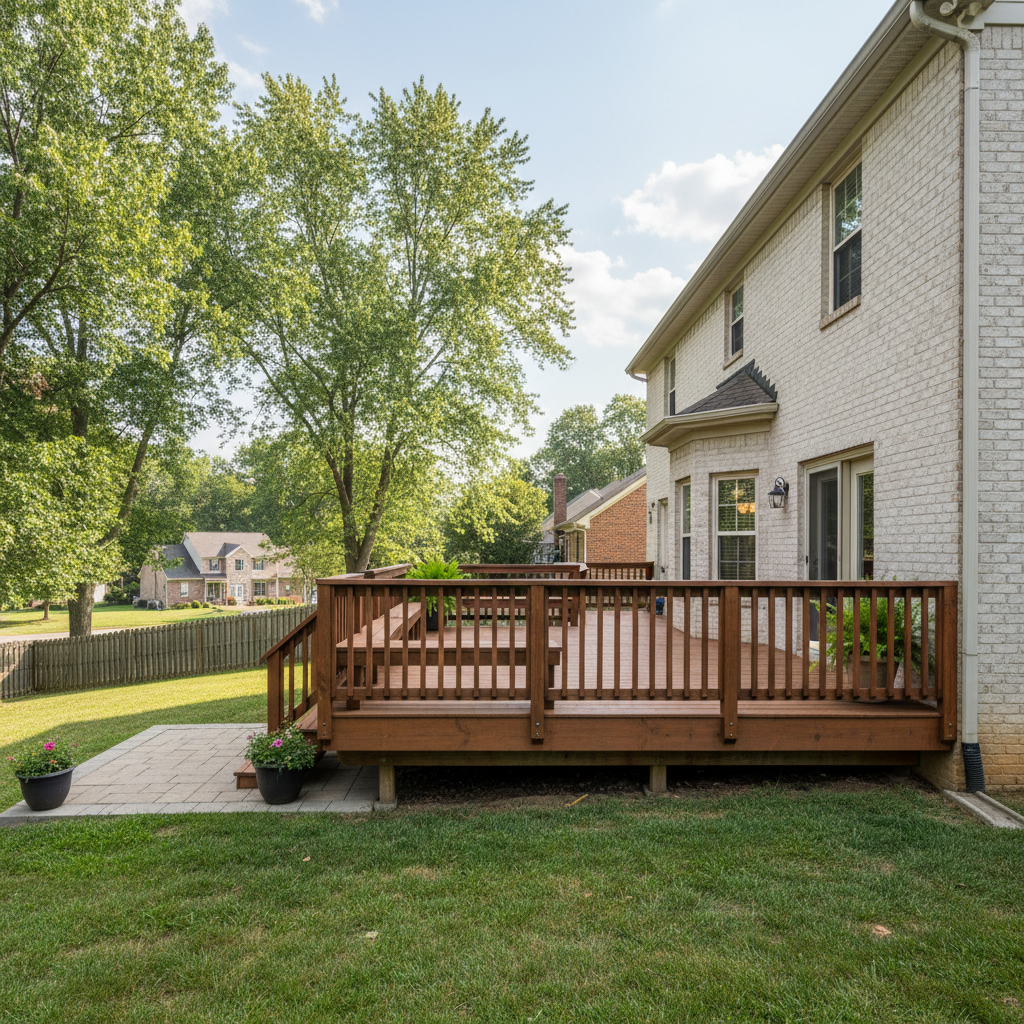
Thinking about adding a new wooden deck, or maybe swapping out an old one here in Elizabeth? Good call. A solid deck really bumps up your living space and adds value to your home. But before you get lost in cool designs and fancy railing styles, let's talk about something super important that people often miss: the actual wood you're going to use. Not all wood is created equal, especially when you think about our local weather.
Why Elizabeth's Climate Demands Smart Wood Choices
We see it all here, don't we? From those sticky Ohio River Valley summers that make everything swell, to the freezing winters with ice and snow, and then the thaws and refreezes. That's a brutal cycle for anything outside. And don't forget the spring rains that can just sit for days. This isn't like building a deck in some dry desert; our wood needs to be tough.
You've got a few main wood options, and each one has its good and bad points, especially for us here in Harrison County.
- Pressure-Treated Pine: This is probably the most common pick, and there's a good reason for that. It's affordable, easy to find, and the chemical treatment helps it fight off rot, decay, and bugs. For lots of homes around the Elizabeth town square, or even out in the country where budgets are a bit tighter, this is a really solid choice. You'll definitely need to stain and seal it regularly, maybe every couple of years, to keep it looking good and doing its job. If you skip that, it'll gray out fast and start to splinter.
- Cedar: Ah, cedar. It's beautiful, smells fantastic, and naturally keeps insects and rot away. Plus, it's lighter and easier to work with than some other woods. You'll spot a fair bit of cedar around some of the newer developments or homes going for a more rustic vibe. The downside? It's softer than treated pine, so it can dent and scratch more easily. It's also more expensive upfront. You'll still need to seal it to keep its color and prevent weathering, but it handles our humidity pretty well.
- Redwood: This one's a premium choice, similar to cedar in how it naturally resists rot and bugs. It's stunning, with a rich color, and super stable – meaning it won't warp or twist as much as some other woods. If you're building a high-end deck overlooking the river, redwood really makes a statement. But you'll pay for that beauty and stability, no doubt. It's also not as easy to find around here as pine or even cedar, which can push up costs and lead times.
- Exotic Hardwoods (like Ipe or Tigerwood): These are the heavy hitters. They're incredibly dense, naturally resistant to just about everything – rot, insects, even fire. They're gorgeous, with rich, deep colors, and honestly, they'll practically last forever. We've done a few projects with Ipe for folks who want the absolute best and don't mind the investment. Think of it as a permanent fixture. The catch? They're significantly more expensive, harder to work with (you often need special tools), and they get incredibly hot in direct sun during our summer heatwaves. If you're walking around barefoot a lot, that can be a real issue, can't it?
Maintenance: The Unsung Hero of Deck Longevity
No matter what wood you pick, keeping it up is crucial. I really can't stress this enough. I've seen perfectly good pressure-treated decks around Elizabeth that look like they're falling apart after five years because nobody ever cleaned or sealed them. And then I've seen 20-year-old decks that still look amazing because the homeowners took care of them.
Even those super-tough exotic hardwoods need a little love. They'll gray out over time if you don't oil them, and while that doesn't hurt how strong they are, it changes their look dramatically. For most woods, a good cleaning, maybe some sanding (if it needs it), and a fresh coat of stain or sealant every 2-3 years will make a huge difference. It protects against UV damage, moisture soaking in, and just general wear and tear.
Why Local Expertise Matters for Your Wood Choice
You can read all the articles online you want, but knowing what *really* works here in Elizabeth, IN, is different. I've built and repaired enough decks in this area to know what stands up to our specific mix of humidity, sun, and freezing temperatures. I know which products perform best with our local lumber suppliers, and I understand the soil conditions – especially in spots like the bluffs near the river where drainage can be a real headache for deck footings and how long wood lasts.
When you're making a big investment like a new deck, you want someone who's seen it all, someone who can tell you not just what's popular, but what's practical and durable for your specific home and lifestyle. That's what we aim to do at Elite Deck Solutions. We're not just building decks; we're building outdoor spaces that last, right here in our community.
So, when you're dreaming up that new deck, really think about the wood. It's the foundation of your outdoor enjoyment, and choosing wisely now will save you headaches and money down the road.