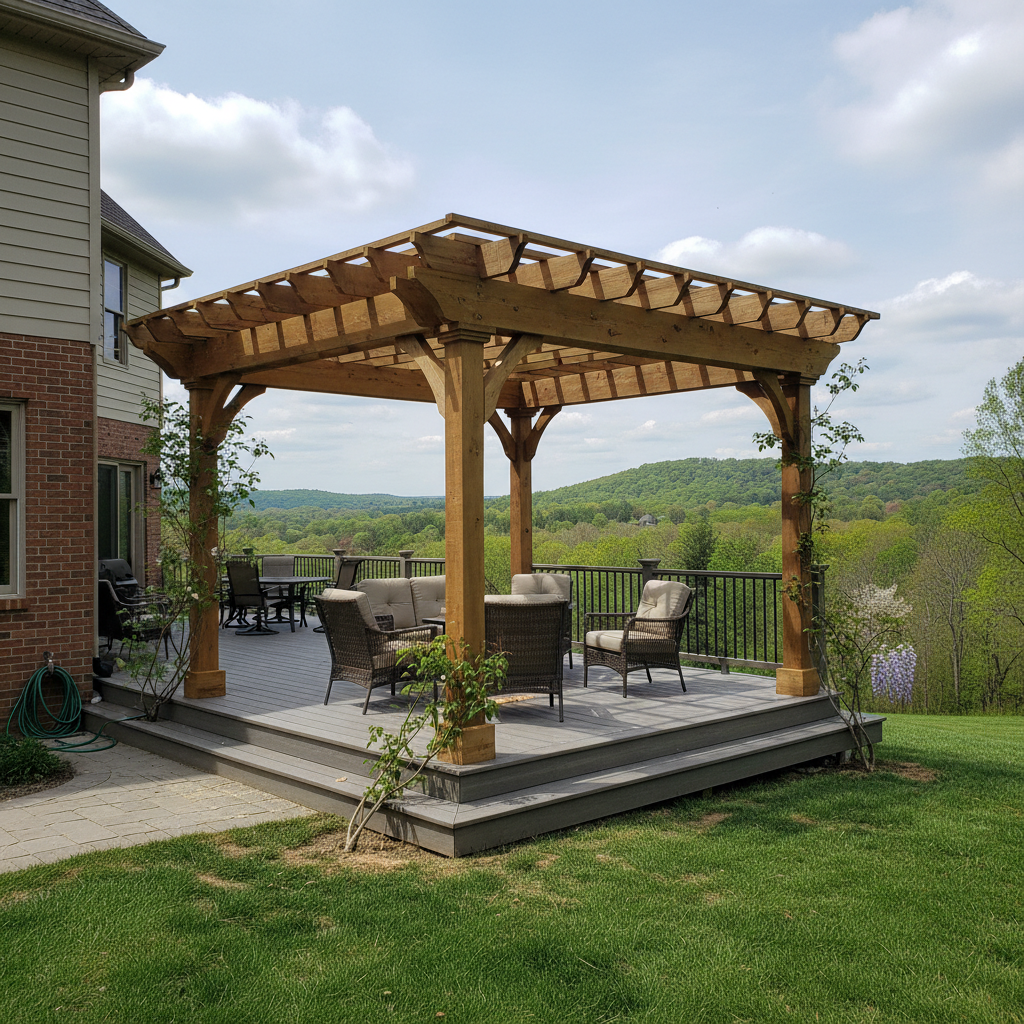
So, you're thinking about a pergola, huh? That's a really smart move if you want to add some shade and a touch of class to your backyard right here in Elizabeth. But before you dive in, there are a few things you, as a homeowner, really ought to know about building one in our neck of the woods, especially with our unique Indiana weather. It's not just picking out a pretty design; it's about getting the timing right for the build and then making sure it actually lasts.
When's the Best Time to Build a Pergola in Elizabeth?
Honestly, the best time to build a pergola is when the weather's playing nice, and for us, that usually means spring or fall. Summer can work, sure, but then you're wrestling with those scorching days and those sudden, pop-up thunderstorms that can seriously slow things down. Winter? Forget about it for outdoor construction like this. Frozen ground, biting winds, and sometimes snow just make it impractical, and often, it ends up costing more because of all the delays.
Here's why spring and fall are just perfect:
- Milder Temperatures: It's simply more comfortable for the crew. We're not fighting off heatstroke or frostbite, which means we can work more efficiently and, frankly, safer.
- Less Rain (Usually): While we definitely get our share of spring showers, they're generally not the torrential, all-day downpours we see in the middle of summer. Fall tends to be drier, too. Consistent dry spells are super important for things like concrete footings to cure properly and for wood to be handled without getting soaked.
- Better Material Handling: Wood expands and shrinks with moisture, you know? Building when the humidity is just right helps make sure everything fits together perfectly and keeps problems from popping up later.
If a spring build is on your mind, you should really be chatting with us, Elite Deck Solutions, in late winter or early spring. For a fall project, aim to get on the schedule by late summer. Good contractors — especially the local ones who really know their way around Elizabeth — they get booked up fast.
How Our Local Weather Affects Pergola Construction
Our climate isn't just about hot summers and cold winters; it's those wild swings. We can have a 70-degree day in February and then a snowstorm in April. This kind of unpredictability impacts everything, from pouring concrete to putting on the final finishes.
- Soil Conditions: Around here, especially in some of the older neighborhoods with established homes, we've got a mix of clay and loam. That means frost heave can be a real headache if footings aren't dug deep enough or poured correctly. You can't just gloss over the foundation work. We always make sure our footings go below the frost line; that's how we keep your pergola from shifting over time.
- Humidity and Wood: High humidity, especially in July and August, can make wood swell. If you build with wood that's already swollen, then when it dries out, you could end up with gaps or even some warping. We're always thinking about this, picking materials and construction methods that account for our humid summers.
- Wind: We get some pretty serious gusts here, don't we? A pergola isn't just a pretty structure; it needs to be built to stand up to strong winds. That means proper anchoring and sturdy connections are absolutely essential. We never, ever cut corners on structural integrity.
Protecting Your Pergola Investment Year-Round
Once your beautiful new pergola is standing tall, you'll want to keep it that way. It's not a "set it and forget it" kind of deal, especially with our weather.
Spring Maintenance: Wake-Up Call
- Clean It Up: After winter, give it a good wash. A soft brush and some mild detergent (like dish soap and water) will do the trick. Rinse it really well. Get rid of any mildew or grime that built up over the cold months.
- Inspect for Damage: Look for any loose fasteners, cracked wood, or signs of bugs. Pay extra attention to the posts where they meet the ground or concrete. Water pooling there is a common issue.
- Re-seal or Stain: If your pergola is wood, this is the perfect time to put on another coat of sealant or stain. It protects against UV rays and moisture — those are your pergola's biggest enemies. Don't skip this step; it's the single best thing you can do to make it last.
Summer Maintenance: Keep an Eye Out
- Clear Debris: If you've got vines growing on it, make sure they're not holding too much moisture against the wood or blocking drainage. Trim back any tree branches that might rub against it during a storm.
- Check for Pests: Carpenter bees and wasps, they just love to set up shop in pergolas. Catching them early saves you a big headache later.
Fall Maintenance: Prep for Winter
- Deep Clean: Another good cleaning before winter really hits. You don't want dirt and grime just sitting on the surface all winter, trapping moisture.
- Final Inspection: Double-check all the fasteners. Make sure everything is tight. If you have any fabric shades or covers, take them down, clean them up, and store them indoors.
- Consider a Winter Cover: For some designs, or if you're particularly worried, a breathable winter cover can offer extra protection, though it's not always necessary if your pergola is well-maintained and treated.
Winter Maintenance: The Quiet Period
- Snow Removal: If we get heavy, wet snow, it's a good idea to gently brush it off the top beams. While pergolas are designed to be open, heavy snow can still put too much stress on the structure.
- Keep an Eye on Drainage: Make sure water isn't pooling around the base of the posts as snow melts and then refreezes.
Taking just a little time each season to maintain your pergola will make sure it stays a beautiful, useful addition to your Elizabeth home for many, many years. It's an investment, after all, and like any good investment, it needs a bit of care to truly pay off in the long run. If you ever have questions or need a hand with repairs or maintenance, well, you know who to call.