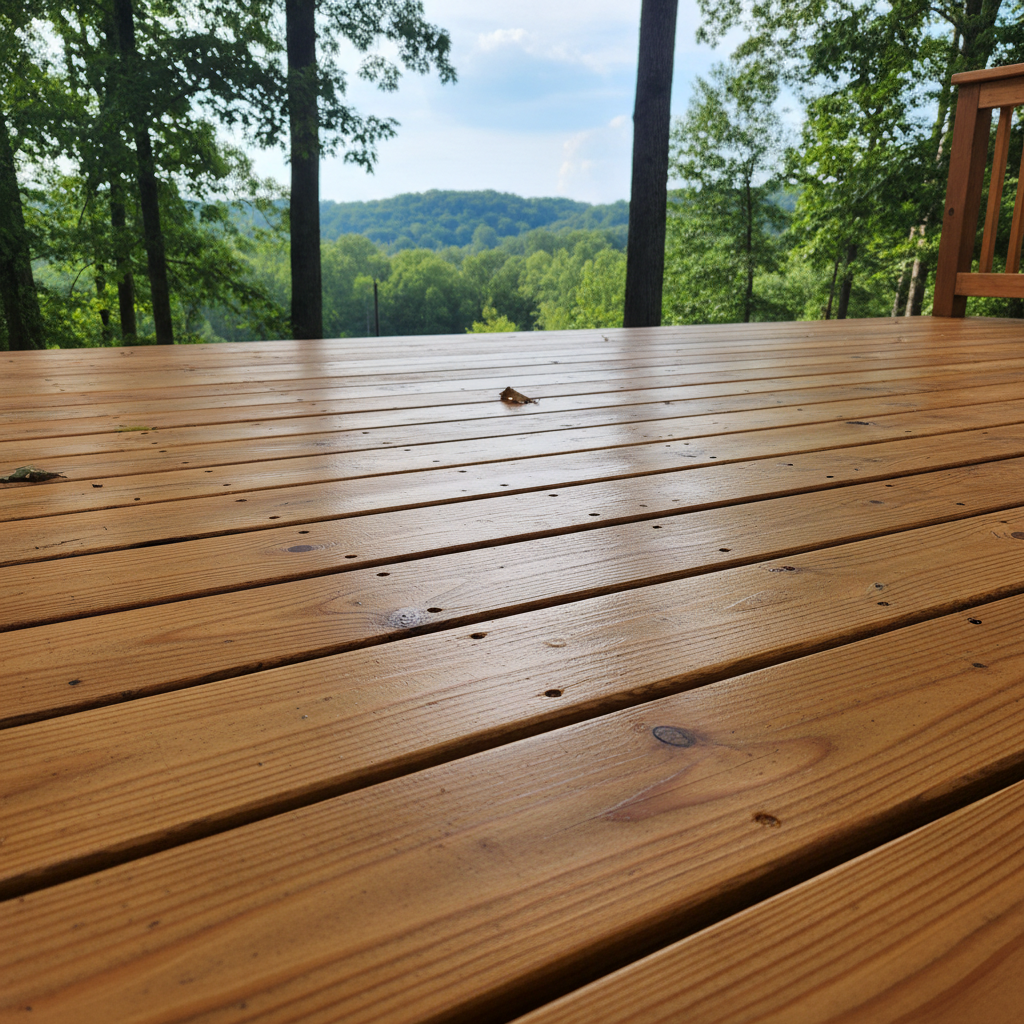
How often should I clean my wooden deck?
You really should clean your wooden deck at least once a year. Twice is even better, honestly, especially if it’s under a lot of trees or gets used a lot. Just think about all that pollen, dirt, leaves, and general grime that piles up. If you let it sit, it doesn't just look bad; it actually holds moisture against the wood, which is prime real estate for mold, mildew, and rot. I've definitely seen decks in those more wooded areas around Elizabeth, say near the river, turn pretty green if folks aren't cleaning them regularly. A good scrub with deck cleaner and a stiff brush, or a low-pressure wash, will make a huge difference and help your stain last longer.
What's the best way to prevent rot and insect damage?
Stopping rot and insect damage starts with smart design and then keeps going with regular maintenance. First off, make sure your deck has good airflow underneath. You don't want moisture getting trapped there, right? Good drainage around the deck is super important too; no standing water. For the wood itself, using pressure-treated lumber for the frame and joists is pretty standard practice around here, and it’s a must. For the deck boards, even if you pick a naturally resistant wood like cedar or redwood, or even pressure-treated pine, you still need to keep it sealed or stained. That protective layer is your main defense against moisture and UV rays, which break down wood fibers and make it way more vulnerable to bugs and rot. Keep an eye out for any soft spots or tiny holes – those are big red flags you shouldn't ignore. Also, trim back any plants or bushes that are touching the deck; they can hold moisture and give insects an easy path in.
My deck boards are cupping/warping. Can I fix them, or do I need new ones?
Cupping and warping happen a lot, especially with wider deck boards or if they weren't put in right – maybe not fastened enough or the wood wasn't properly acclimated. Sometimes, if it's just a little bit, you can try flipping the board over and re-fastening it. But that's usually a temporary fix at best. If the cupping is major, or if the board is really warped, you're usually better off just replacing it. Trying to force a badly warped board back into place often just causes more trouble later, like fasteners popping out or the board cracking. It's a pain, I know. But a new board will look better and be safer. When you do replace them, make sure to use good quality fasteners and space them correctly.
How long should a wooden deck last in Elizabeth, IN?
That's a tricky question, but generally, a deck built well and kept up properly in our climate can last anywhere from 15 to 25 years. Sometimes even longer! Pressure-treated pine, which is super common around Elizabeth, can easily hit that 15-20 year mark if you're good about cleaning and re-sealing it every couple of years. Hardwoods like ipe or even some cedars can push past 25 years with the right care. The biggest things that affect this are how well it was built originally, what kind of wood was used, and how religious you are with maintenance. If you neglect it, you'll be lucky to get 10-12 years before you start seeing serious issues with rot and structural problems. Those freeze-thaw cycles we get here in southern Indiana can be tough on wood, so that regular maintenance isn't just about looks; it's about making it last.
When is it time to replace my deck, not just repair it?
Knowing when to give up on a deck is a big decision. If you're seeing widespread rot in the structural parts – the support posts, beams, or joists – that's usually a pretty clear sign it's time for a full replacement. A few rotten deck boards are one thing, but if the main bones of the deck are compromised, it's a safety hazard. Also, if you're constantly fixing things, patching this, replacing that, and the cost of those repairs starts adding up to a big chunk of what a new deck would cost, then a replacement just makes more financial sense in the long run. Sometimes, homeowners just want to update the look or layout, and that's a perfectly good reason too. If you're not sure, have a professional like Elite Deck Solutions come out and give you an honest opinion. We'll tell you if it's worth saving or if it's time for a fresh start.
Can I add features like built-in seating or planters to my existing deck?
Absolutely, in most cases, you can. Adding built-in seating, planters, or even a privacy screen can really boost your deck's usefulness and how it looks. The main thing to think about is what your existing deck can structurally handle. You're adding weight, so you need to be sure the deck's foundation, joists, and beams are up to the task. For something like a planter, especially if it's going to be filled with soil and plants, that can get surprisingly heavy. Built-in seating is usually fine, but again, consider how it will be supported. You might need to add some extra blocking or supports underneath. It's always a smart move to have a professional look at your deck's structure before you start building anything substantial onto it. We can tell you what's possible and what might need a little extra reinforcement.